Author name: castroben38@gmail.com

Uncategorized

🏆 The Gold Standard: Why Ceramic CPU Scrap Leads the Market

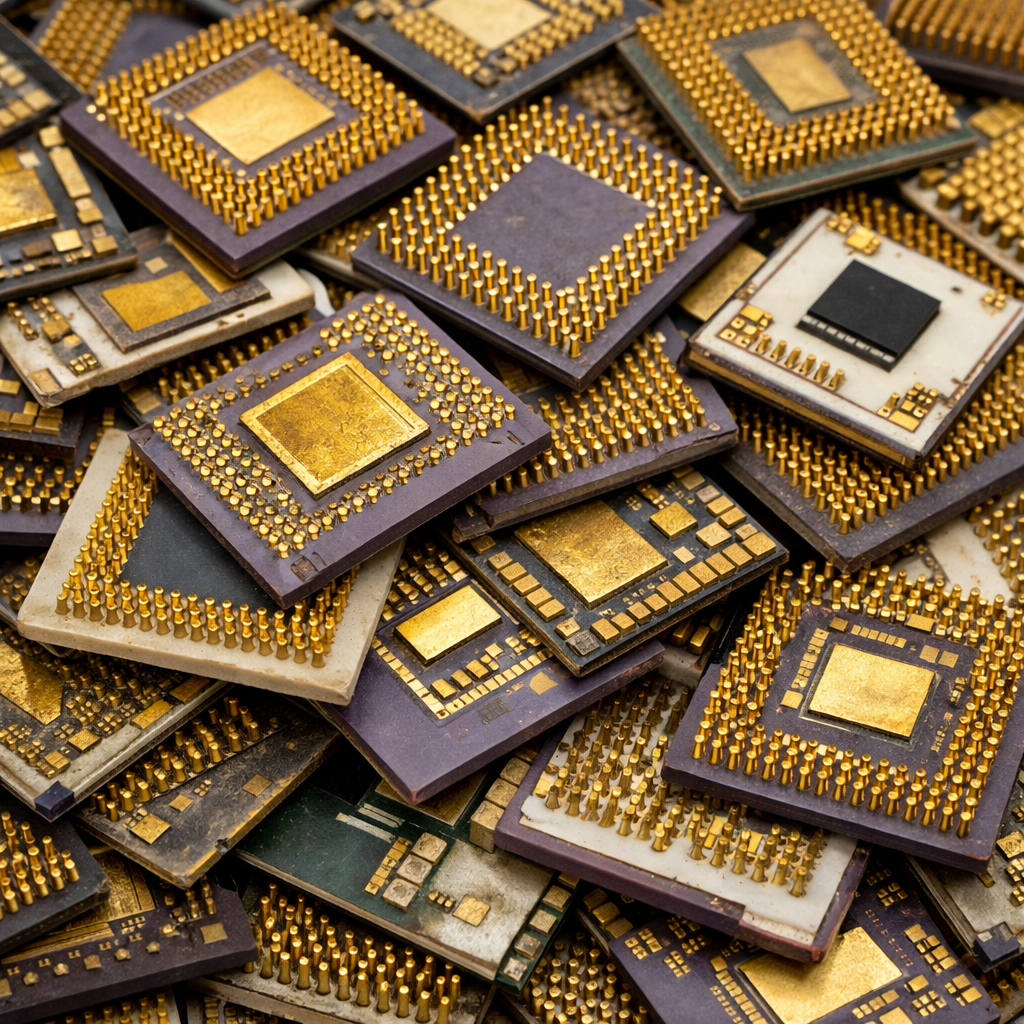
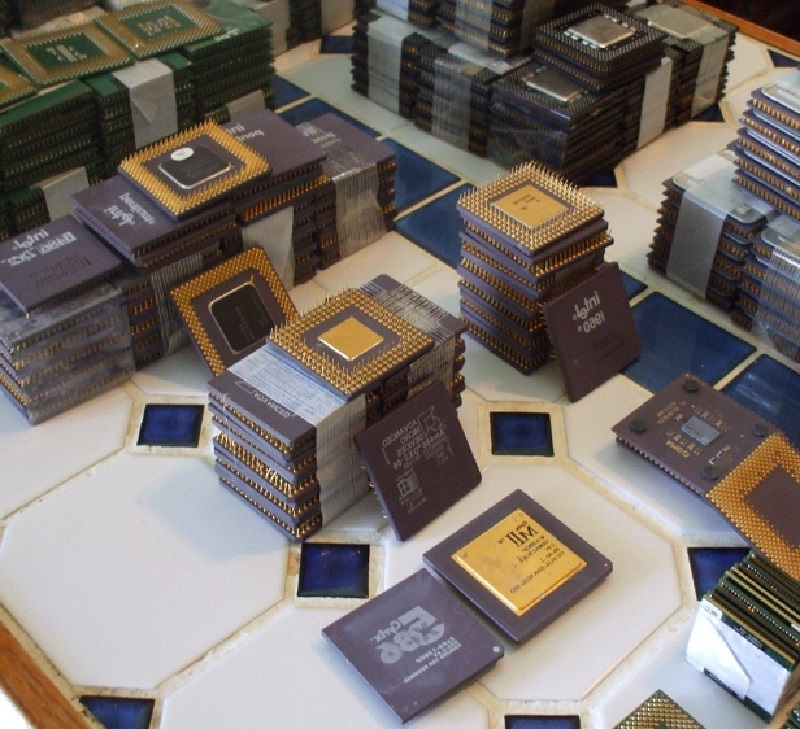
In the world of urban mining, Ceramic CPU scrap is considered the “high-grade ore” of e-waste. While modern silicon manufacturing has moved toward cost-cutting and miniaturization, vintage ceramic processors were engineered during an era where reliability was prioritized over material costs, leading to a much higher concentration of precious metals.1 🔍 Why Ceramic Units Outperform Plastic (Fiber) 📊 2025 Comparison: Yield & Market Dynamics The gap between ceramic and plastic scrap has widened in 2025 as “old-stock” becomes rarer. Feature Ceramic CPU Scrap (Legacy) Plastic/Fiber CPU Scrap (Modern) Average Gold Yield 0.2g to 1.0g per unit 0.02g to 0.05g per unit Pin Composition Thick gold-plated Kovar or Brass Flash-plated copper or silver-tin Processing Complexity Low: Brittle ceramic shatters easily High: Requires shredding/incineration Current Market Value High Premium (Collector + Scrap) Standard Commodity Pricing 💎 Top-Tier Ceramic Models to Source If you are sorting through e-waste, prioritize these models which represent the highest gold concentrations ever recorded in consumer electronics: 📈 Selling & Refining in 2025 The Ceramic CPU scrap price per kg is currently influenced by two factors: the London Bullion Market Association (LBMA) gold spot price and the “scarcity premium.”

Uncategorized

Extracting Gold from IC Chips: A Refiner’s Guide to Methods and Yields

Feedback & RecreateAdd image manually For professional refiners, identifying and processing high-yield electronic scrap is the key to profitability. Integrated circuits, or IC chips, represent one of the most concentrated sources of gold within e-waste. This guide provides a direct, no-nonsense overview for businesses looking to identify, value, and process IC chip scrap to maximize gold recovery. Learn how to distinguish valuable components and secure a reliable bulk supply for your operations. What is IC Chip Scrap and Why is it Valuable for Gold Recovery? In the context of e-scrap, an Integrated Circuit (IC) chip is a semiconductor device that performs electronic functions. Their value to refiners comes from a critical component: microscopic gold bonding wires. These wires, thinner than a human hair, are used to connect the silicon die to the chip’s external pins. Because of this construction, IC chips are a far more concentrated source of gold than other e-scrap components like gold-plated fingers or pins, making them a prime target for recovery operations. Key Types of IC Chips for Precious Metal Refining Visual Inspection: How to Identify High-Yield IC Chips Quickly identifying potentially valuable chips is a crucial skill. While a full assay is the only way to confirm value, certain visual cues can help you sort material effectively. Focus on older, heavier components from high-performance equipment. The table below outlines key indicators. Visual Cue Potential Value Indicator Ceramic Body (Purple, Brown, White) High – Often indicates older manufacturing with higher gold content. Gold Lid or Heat Spreader High – The visible gold plating is a strong sign of value. Chips from Server or Military Equipment High – These were built for reliability, often using more gold. Older, Larger Plastic Chips (pre-2000) Medium – Can contain more gold than modern, smaller equivalents. Small, Modern Plastic Chips Low to Medium – Yields are generally lower and more variable. Estimating Gold Yields and Value from IC Chip Scrap For professional refining operations, understanding potential yield is critical for calculating ROI. Gold yields from IC chips are typically measured in pounds per ton or grams per kilogram. It is essential to recognize that these yields vary widely based on the specific mix of chips being processed. An assorted lot of modern plastic ICs will have a vastly different return than a sorted batch of vintage ceramic server CPUs. Factors That Influence Gold Content Average Yield Expectations (By Chip Type) While exact figures require a chemical assay, industry experience provides general expectations. Note that these are estimates and can vary. Sourcing Bulk IC Chip Scrap for Maximum Profit The primary challenge for any refiner is securing a consistent supply of high-quality, well-sorted material. While buying unprocessed circuit boards is an option, it involves significant labor in depopulation and sorting. A more efficient approach is to buy sorted IC chips in bulk. This strategy offers a higher concentration of value per kilogram and dramatically reduces your in-house pre-processing labor and costs. At Ceramic Gold Scrap, we provide clean, sorted IC chip scrap that is ready for your refining operation, allowing you to focus on what you do best: recovering precious metals. For a reliable supply of high-yield material, View Our Bulk IC Chip Scrap for Sale.Feedback & RecreateDelete Essential Processing Steps for Gold Recovery from ICs Disclaimer: The following information is for educational purposes only. Gold recovery involves the use of hazardous chemicals and should only be performed by trained professionals in a controlled, properly ventilated environment with appropriate personal protective equipment (PPE). The objective of chemical processing is to efficiently separate the gold from the surrounding ceramic, plastic, and base metals like copper and aluminum. Step 1: Depopulation and Preparation Step 2: Chemical Leaching and Precipitation Frequently Asked Questions How much gold is in 1 kg of IC chip scrap? This amount varies dramatically. 1 kg of high-grade ceramic ICs could contain several grams of gold, whereas 1 kg of low-grade mixed plastic ICs might contain less than a gram. Value is determined by the quality and type of chips, not just the weight. Are all black plastic IC chips worth scrapping? Not always. While most contain some gold, the amount in small, modern plastic chips can be so minimal that the cost of processing exceeds the value of the recovered gold. It is often more profitable to focus on larger, older plastic chips or higher-value ceramic types. Is it more profitable to sell whole boards or depopulated IC chips? Selling depopulated, sorted IC chips typically yields a higher price per kilogram because the buyer is getting a more concentrated, valuable product and does not have to perform the labor-intensive removal process themselves. What is the difference between ceramic and plastic IC scrap value? Ceramic IC scrap is significantly more valuable than plastic IC scrap on a per-pound basis due to its consistently higher gold content. Ceramic chips were often used in older, high-end applications where performance was prioritized over cost. Can you recover other precious metals from IC chips? While gold is the primary target, some IC chips, particularly certain types of capacitors and specialized chips, can also contain small amounts of silver and palladium (PGMs). However, gold is the main driver of value for most IC scrap. Maximizing your returns from e-waste refining requires a focus on high-quality, well-sorted input materials. By understanding how to identify valuable IC chips and partnering with a reliable bulk supplier, you can streamline your operations and improve your bottom line. Ready to secure a consistent supply of high-yield material for your business? Shop Bulk IC Chip Scrap Now and get the quality feedstock your operation deserves.

high yield CPU Ceramic Processor Scrap
Uncategorized

Gold Recycling: The Professional’s Guide to E-Scrap Recovery

Gold Recycling Full Guide Feedback & RecreateAdd image manually For professional refiners and large-scale recycling operations, profitability hinges on one critical factor: securing a consistent supply of high-yield scrap. This guide provides a direct, business-focused overview of gold recycling from electronic waste, helping you identify and source the most profitable materials for your operations. What is Gold Recycling in the E-Scrap Industry? In the context of industrial refining, gold recycling is the process of extracting pure gold from discarded electronic components. Unlike consumer-focused services that buy old jewelry, B2B gold recycling is a large-scale operation focused on processing bulk electronic scrap. E-scrap has become a primary source for modern gold recovery because many components, particularly older electronics, contain significant quantities of the precious metal. The ultimate goal is not just recovery, but maximizing profitability through efficient sourcing and extraction. Why Recycle Gold from Electronics? Sourcing gold from e-waste, often called “urban mining,” offers distinct advantages over traditional mining. The concentration of gold in electronic scrap, especially in items like ceramic CPUs, is significantly higher than in raw ore. This process not only reduces the environmental impact associated with new mining but also helps meet the massive industrial demand for gold required to manufacture new electronic devices. Top Sources of Gold in Electronic Scrap: A Yield Guide Not all electronic scrap is created equal. To maximize your return on investment, it is essential to focus on components with the highest gold content by weight. Understanding these key sources allows buyers to identify the most profitable inventory and avoid low-grade materials. Ceramic CPU Processors: The Premier Gold Source Ceramic Central Processing Units (CPUs) are the most highly sought-after component in the e-scrap industry for good reason. Vintage processors, such as the Intel 386, 486, and Pentium Pro series, contain visible gold bonding wires and thick gold plating on their pins and lids. The gold content can vary between models from different manufacturers like Intel, AMD, and Cyrix, making proper identification key to assessing value. View our stock of high-grade Ceramic CPUs. Computer RAM (Memory Modules): Consistent Returns Computer RAM modules are another reliable source of recoverable gold. The value lies in the gold-plated contact “fingers” along the edge of the circuit board that plug into the motherboard. Older generations of RAM, such as SIMM and early DIMM modules, often feature thicker plating, providing consistent yields for refiners. Modules with gold-trimmed edges are considered more valuable than those with tin or other metals. Gold-Plated Pins and Connectors A wide variety of pins and connectors sourced from server backplanes, telecommunications equipment, and high-end computer hardware are heavily gold-plated to ensure reliable conductivity. The value is entirely in the surface plating, so the weight of the base metal is irrelevant. Proper sorting and grading of these pins are crucial to consolidating enough material for a profitable refining batch. Other Valuable Sources: IC Chips & Mobile Phone Boards While CPUs and RAM are primary targets, other components offer significant potential. Integrated Circuit (IC) chips from various electronics can contain small amounts of gold bonding wire internally. Furthermore, modern mobile phone boards are incredibly dense with a complex mix of precious metals, including gold, silver, and palladium. Though processing them is more complex, their high potential yield makes them a valuable commodity.Feedback & RecreateDelete The Gold Recycling Process: A High-Level Overview for Scrap Buyers Understanding what happens to e-scrap after you purchase it provides critical context for your business. This overview outlines the major steps involved in transforming bulk electronic components into pure, refined gold, reinforcing the importance of starting with high-quality raw materials. Step 1: Sourcing and Sorting High-Quality Scrap Profitability begins with the material you acquire. Sourcing properly identified, high-grade scrap is the most important step in the entire process. Sorting this material by type—separating CPUs from RAM, and connectors from circuit boards—is essential for streamlining the downstream refining process and maximizing the efficiency of each batch. Step 2: Depopulation and Preparation Once sorted, the valuable components must be removed from the circuit boards. This can be done through thermal or mechanical means. The separated components are then often shredded, milled, or crushed to increase the surface area, preparing them for the chemical extraction phase. Step 3: Chemical Extraction and Refining This highly specialized and hazardous stage is reserved for professional refiners. Using chemical processes such as cyanide leaching or digestion in aqua regia, the gold is dissolved and separated from the base metals and other materials. Further refining steps precipitate the gold from the solution, which is then melted and cast into pure bullion. Sourcing Bulk E-Scrap for Your Gold Recycling Business For most refiners, the primary operational challenge is not the refining process itself, but securing a steady and reliable supply of high-yield e-scrap. Partnering with a dedicated wholesale supplier is a strategic decision that can solve this critical business need, allowing you to focus on processing rather than sourcing. Benefits of Working with a Wholesale Supplier What to Look for in an E-Scrap Supplier When selecting a partner, prioritize suppliers who offer clear product descriptions, detailed photographs, and transparent grading standards. Look for a company with proven experience in handling bulk freight and international shipping. Finally, ensure their pricing is transparent and reflects the material type and current market conditions. Secure Your Supply of High-Yield E-Scrap We specialize in providing bulk quantities of the most valuable e-scrap for gold recovery operations. Our inventory is carefully sourced and sorted to ensure it is focused on maximum yield and a strong return on your investment. Stop spending valuable time searching for material and secure a reliable supply chain for your business. Contact us for a bulk quote on our processor and RAM scrap. Frequently Asked Questions About Gold Recycling Which type of electronic scrap contains the most gold? Generally, older ceramic CPU processors, particularly models like the Intel Pentium Pro, 486, and 386, contain the highest concentration of gold by weight due to their internal gold wires and heavily plated pins. What is the difference

Uncategorized

Scrap Gold Computer Pins: Small Parts, Big Profits

One of the most overlooked sources of gold in e-waste is scrap gold computer pins. Found in CPUs, RAM sticks, and motherboards, these tiny connectors hold surprising value. 🖥️ Why Computer Pins Contain Gold 💵 Scrap Gold Pin Prices in 2025 🔧 Recovery Methods ✅ Conclusion Though small, scrap gold computer pins deliver big profits when collected in bulk. Don’t discard them—refine or sell directly at CeramicGoldScrap.com for fast cash.

Uncategorized

Intel CPU Gold Scrap: Which Models Have the Most Gold?

Here is a more detailed and updated rewrite of your content, incorporating current 2025 market values and technical insights for gold recovery. 💎 The Hidden Goldmine: Reclaiming Value from Computer Pins While many focus on whole circuit boards, the most concentrated value in e-waste often lies in gold-plated contact pins. As gold prices have reached historic highs in 2025 (surpassing $4,500/oz), these tiny connectors have become a primary target for urban miners and professional recyclers.1 🖥️ Why Computer Pins Use Gold In electronics, reliability is non-negotiable. Gold is the industry standard for connectors because: 💵 Scrap Gold Pin Market Prices (Dec 2025) Prices for scrap pins vary significantly based on the “yield” (the actual gold content per kilogram). Below are current market estimates: Material Type Estimated Price (per kg) Gold Yield Profile High-Yield CPU Pins $350 – $750 Vintage (386/486) and high-end server pins have the thickest plating. Gold Fingers (RAM/GPU) $80 – $150 The “edge connectors” trimmed from memory sticks and video cards. Motherboard/Connector Pins $40 – $95 Mixed pins from IDE, SATA, and peripheral headers. Telecom/Industrial Pins $120 – $300 Often found in military or aerospace scrap; usually very high purity. 🔧 Recovery & Refinement Methods Extracting value from pins requires a balance of safety and efficiency. ⚠️ Regulatory Note: As of January 1, 2025, new Basel Convention amendments regulate the international shipment of e-waste.3 Always ensure your scrap is sourced and processed according to local environmental laws. ✅ Conclusion If you have Intel CPU gold scrap, focus on selling older ceramic processors for maximum value. Modern chips are still sellable, but yields are much lower. 👉 Buy securely via CeramicGoldScrap.com.

Uncategorized

Gold Recovery from Ceramic CPU Processors: Safe Methods in 2025

Ceramic CPU gold recovery is one of the most profitable aspects of e-waste recycling. Old ceramic processors contain a much higher concentration of gold than modern plastic CPUs, making them a goldmine for scrappers. 🖥️ Why Ceramic CPUs Yield More Gold 🔧 Safe Gold Recovery Methods ⚠️ Always follow strict safety measures when using chemicals. 💵 Profitability in 2025 ✅ Conclusion Ceramic CPU gold recovery is profitable if done safely. If you prefer not to refine yourself, sell directly to verified buyers at CeramicGoldScrap.com

Uncategorized

Ceramic CPU Scrap Buyers Near Me: Sell Safely in 2025

If you’ve got ceramic CPU scrap for sale, you may be wondering where to find the best buyers near you. In 2025, the CPU scrap market is booming, but not all buyers are trustworthy. Choosing the right one ensures you get a fair price and a secure transaction. 📍 Who Buys Ceramic CPU Scrap? 💵 Ceramic CPU Scrap Price As of 2025, ceramic CPU scrap sells between $90–$200 per kg, depending on gold content and buyerrepairprice.co.uk. Always compare offers before making a deal. ⚠️ Avoiding CPU Scrap Scams Unfortunately, some fake buyers take advantage of sellers. Protect yourself by: ✅ Best Way to Sell Safely 👉 The safest option is selling directly through CeramicGoldScrap.com where you get verified buyers and secure payments. Conclusion Selling ceramic CPU scrap near you can be safe and profitable if you choose the right buyers. By knowing current cpu scrap prices and avoiding scams, you maximize your returns in 2025.

Uncategorized

CPU Gold Scrap Price in 2025: What Sellers Must Know

If you’re holding on to old computer processors or ceramic CPU scrap, 2025 is one of the best times to sell. With gold prices hitting record highs, the cpu gold scrap price has surged, making e-waste recycling more profitable than ever. But before selling, it’s important to understand how CPU scrap is valued, what affects prices, and where to get the best rates. 💰 Current CPU Gold Scrap Prices in 2025 The cpu gold scrap price per kg varies based on type and gold content. Here’s a breakdown: ⚡ Tip: Prices fluctuate daily with global gold rates. Always check trusted resources like Precious Metal Services precious-metal-services.com for updates. 🔎 What Affects CPU Gold Scrap Price? Several factors determine how much you’ll get for your CPU scrap: 🏆 Ceramic vs Plastic CPU Scrap Feature Ceramic CPU Scrap Plastic CPU Scrap Gold Yield ⭐⭐⭐⭐ High ⭐ Low Average Price/kg $90 – $200 $20 – $40 Best Buyers Gold refiners, CPU scrap dealers General scrap yards 👉 Clearly, ceramic CPUs remain the most profitable option for gold recovery. 📍 Where to Sell CPU Gold Scrap When it comes to selling, you have multiple options: 👉 For secure payments and fair rates, check our CPU Gold Scrap Shop. ⚠️ Tips to Maximize Profit ✅ Conclusion With rising gold prices, 2025 is the year to sell your CPU gold scrap. Whether it’s ceramic processors, gold pins, or CPU chips, knowing the current cpu gold scrap price and choosing the right buyer ensures you get the best returns. 👉 Ready to sell? Visit our Ceramic Gold Scrap Shop today and cash in on your old processors.

Uncategorized

Ceramic CPU Processor Scrap: The Best Source of Gold Recovery

Among all e-waste, ceramic CPU processor scrap is the most valuable for gold recovery. Unlike plastic CPUs, ceramic chips were manufactured with thicker gold plating, making them a recycler’s dream. 🏆 Why Ceramic CPU Scrap is Valuable 🆚 Ceramic vs Plastic CPUs Feature Ceramic CPUs Plastic CPUs Gold Yield ⭐⭐⭐⭐ High ⭐ Low Weight Heavy Light Value Premium Standard 💵 Ceramic CPU Scrap Price As of 2025, ceramic CPU scrap price per kg ranges from $100–$250, depending on gold market fluctuations. Prices are consistently higher than other processor scrap categories. 🛒 Where to Sell Ceramic CPU Scrap Selling ceramic CPU processor scrap is easy if you choose trusted buyers. 👉 Start buying with us at Ceramic CPU Scrap Buyer to ensure secure payments and top market rates. ✅ Conclusion If you’re serious about e-waste recycling, ceramic CPU processor scrap is your best bet. With high yields and strong market demand, it’s the ultimate choice for gold recovery.

Uncategorized

CPU Gold Scrap: How to Identify & Sell for Top Value

If you’re into e-waste recycling, you’ve probably heard of CPU gold scrap. Old computer processors are packed with gold-plated pins, ceramic chips, and bonding wires that make them one of the most profitable scrap items on the market. But how do you know which CPUs are valuable, and where should you sell them? Let’s dive in. 🔎 What is CPU Gold Scrap? CPU gold scrap refers to the parts of computer processors that contain recoverable gold. This includes: These small parts contain a surprising amount of gold, making them extremely attractive for recyclers and investors. 🖥️ How to Identify Valuable CPU Gold Scrap Not all CPUs are equal. Here’s how to spot high-value ones: 👉 If you’re unsure, compare your scrap to examples on ScrapMonster for reference. 💰 CPU Gold Scrap Price in 2025 The cpu gold scrap price changes daily based on global gold rates. On average: ⚡ Tip: Always check live prices before selling. 📦 Where to Sell CPU Gold Scrap You can sell CPU gold scrap to: 👉 Start selling today at our CPU Scrap Shop for fair prices and secure transactions. ✅ Conclusion CPU gold scrap is a goldmine for e-waste recyclers. By learning how to identify ceramic processors, gold pins, and scrap chips, you can sell them at top value and maximize profit.

Scroll to Top