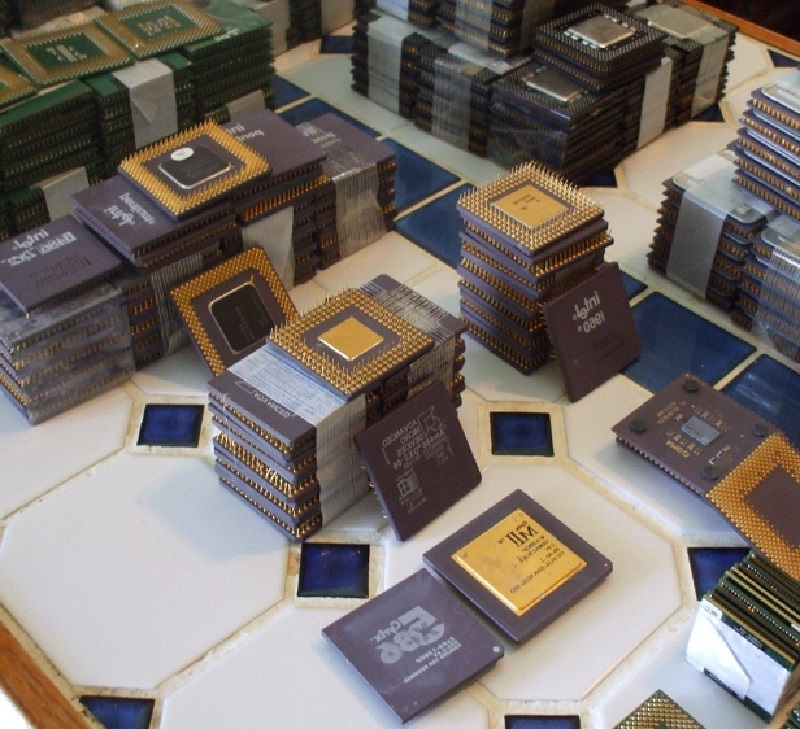
Gold Recycling Full Guide Feedback & RecreateAdd image manually For professional refiners and large-scale recycling operations, profitability hinges on one critical factor: securing a consistent supply of high-yield scrap. This guide provides a direct, business-focused overview of gold recycling from electronic waste, helping you identify and source the most profitable materials for your operations. What is Gold Recycling in the E-Scrap Industry? In the context of industrial refining, gold recycling is the process of extracting pure gold from discarded electronic components. Unlike consumer-focused services that buy old jewelry, B2B gold recycling is a large-scale operation focused on processing bulk electronic scrap. E-scrap has become a primary source for modern gold recovery because many components, particularly older electronics, contain significant quantities of the precious metal. The ultimate goal is not just recovery, but maximizing profitability through efficient sourcing and extraction. Why Recycle Gold from Electronics? Sourcing gold from e-waste, often called “urban mining,” offers distinct advantages over traditional mining. The concentration of gold in electronic scrap, especially in items like ceramic CPUs, is significantly higher than in raw ore. This process not only reduces the environmental impact associated with new mining but also helps meet the massive industrial demand for gold required to manufacture new electronic devices. Top Sources of Gold in Electronic Scrap: A Yield Guide Not all electronic scrap is created equal. To maximize your return on investment, it is essential to focus on components with the highest gold content by weight. Understanding these key sources allows buyers to identify the most profitable inventory and avoid low-grade materials. Ceramic CPU Processors: The Premier Gold Source Ceramic Central Processing Units (CPUs) are the most highly sought-after component in the e-scrap industry for good reason. Vintage processors, such as the Intel 386, 486, and Pentium Pro series, contain visible gold bonding wires and thick gold plating on their pins and lids. The gold content can vary between models from different manufacturers like Intel, AMD, and Cyrix, making proper identification key to assessing value. View our stock of high-grade Ceramic CPUs. Computer RAM (Memory Modules): Consistent Returns Computer RAM modules are another reliable source of recoverable gold. The value lies in the gold-plated contact “fingers” along the edge of the circuit board that plug into the motherboard. Older generations of RAM, such as SIMM and early DIMM modules, often feature thicker plating, providing consistent yields for refiners. Modules with gold-trimmed edges are considered more valuable than those with tin or other metals. Gold-Plated Pins and Connectors A wide variety of pins and connectors sourced from server backplanes, telecommunications equipment, and high-end computer hardware are heavily gold-plated to ensure reliable conductivity. The value is entirely in the surface plating, so the weight of the base metal is irrelevant. Proper sorting and grading of these pins are crucial to consolidating enough material for a profitable refining batch. Other Valuable Sources: IC Chips & Mobile Phone Boards While CPUs and RAM are primary targets, other components offer significant potential. Integrated Circuit (IC) chips from various electronics can contain small amounts of gold bonding wire internally. Furthermore, modern mobile phone boards are incredibly dense with a complex mix of precious metals, including gold, silver, and palladium. Though processing them is more complex, their high potential yield makes them a valuable commodity.Feedback & RecreateDelete The Gold Recycling Process: A High-Level Overview for Scrap Buyers Understanding what happens to e-scrap after you purchase it provides critical context for your business. This overview outlines the major steps involved in transforming bulk electronic components into pure, refined gold, reinforcing the importance of starting with high-quality raw materials. Step 1: Sourcing and Sorting High-Quality Scrap Profitability begins with the material you acquire. Sourcing properly identified, high-grade scrap is the most important step in the entire process. Sorting this material by type—separating CPUs from RAM, and connectors from circuit boards—is essential for streamlining the downstream refining process and maximizing the efficiency of each batch. Step 2: Depopulation and Preparation Once sorted, the valuable components must be removed from the circuit boards. This can be done through thermal or mechanical means. The separated components are then often shredded, milled, or crushed to increase the surface area, preparing them for the chemical extraction phase. Step 3: Chemical Extraction and Refining This highly specialized and hazardous stage is reserved for professional refiners. Using chemical processes such as cyanide leaching or digestion in aqua regia, the gold is dissolved and separated from the base metals and other materials. Further refining steps precipitate the gold from the solution, which is then melted and cast into pure bullion. Sourcing Bulk E-Scrap for Your Gold Recycling Business For most refiners, the primary operational challenge is not the refining process itself, but securing a steady and reliable supply of high-yield e-scrap. Partnering with a dedicated wholesale supplier is a strategic decision that can solve this critical business need, allowing you to focus on processing rather than sourcing. Benefits of Working with a Wholesale Supplier What to Look for in an E-Scrap Supplier When selecting a partner, prioritize suppliers who offer clear product descriptions, detailed photographs, and transparent grading standards. Look for a company with proven experience in handling bulk freight and international shipping. Finally, ensure their pricing is transparent and reflects the material type and current market conditions. Secure Your Supply of High-Yield E-Scrap We specialize in providing bulk quantities of the most valuable e-scrap for gold recovery operations. Our inventory is carefully sourced and sorted to ensure it is focused on maximum yield and a strong return on your investment. Stop spending valuable time searching for material and secure a reliable supply chain for your business. Contact us for a bulk quote on our processor and RAM scrap. Frequently Asked Questions About Gold Recycling Which type of electronic scrap contains the most gold? Generally, older ceramic CPU processors, particularly models like the Intel Pentium Pro, 486, and 386, contain the highest concentration of gold by weight due to their internal gold wires and heavily plated pins. What is the difference